The Uncomfortable Number
"Am I saving enough?"
It's a question many careful savers ask themselves from time to time. A financial plan can go a long way towards answering it, but there will always be things none of us can foresee.
The logic of saving is simple: put money aside today so that it can support you later. The harder part is knowing how much is enough for a 'future self' who can feel like a complete stranger right now.
One idea some people find useful: if a saving level feels completely effortless, it's worth at least asking whether it's enough.
The negotiation with yourself
Every money decision is a kind of negotiation between two versions of you. Present you would like ease and comfort. Future you needs some of today's money set aside.
Behavioural research suggests we tend to place more value on what feels good now than on what we'll need later. So the amount that feels 'about right' can be shaped more by today's comfort than by tomorrow's needs.
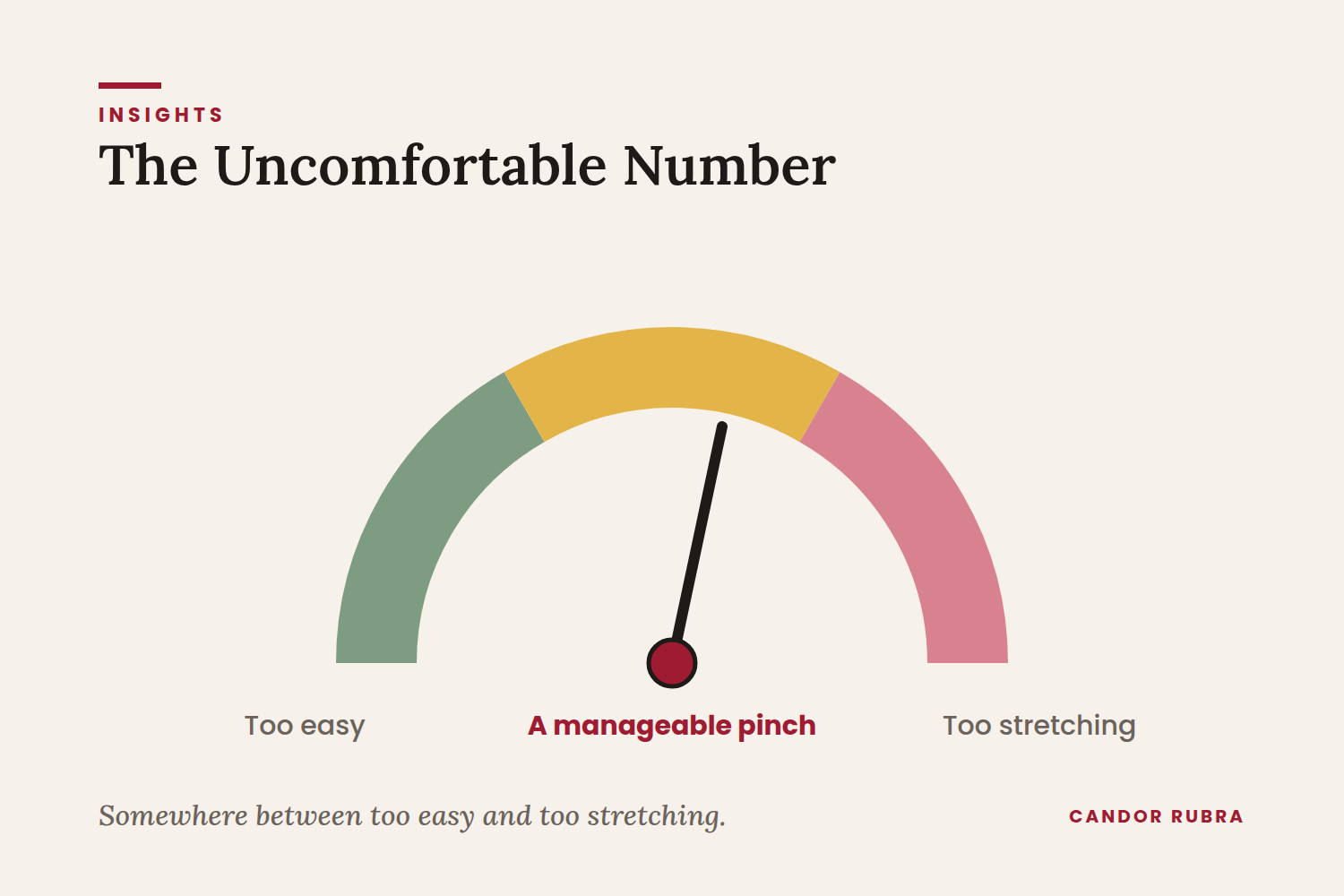
A saving level that involves a small, manageable pinch, such as thinking twice before booking that holiday, can be a sign that both versions of you are being given a voice.
More than a rule of thumb
You'll often see rules of thumb for how much of your income to save. They can be a helpful starting point, but they're general by nature. Everyone's income, commitments, goals and timeframes are different, and a figure that suits one person could be too much or too little for another.
There's a feeling element too. A saving level needs to be sustainable month after month. Too comfortable, and it may not do enough. Too stretching, and it's likely to be abandoned at the first unexpected bill. Somewhere between the two is often where people find a balance they can stick with.
The same thinking can apply elsewhere. An emergency fund that feels slightly larger than strictly necessary can bring valuable peace of mind, and spending changes often stick better when there's a little effort involved.
It's also worth saying that saving isn't the only priority. Clearing expensive debt and keeping an adequate cash buffer often come first, and it matters to enjoy life along the way.
Revisiting as life changes
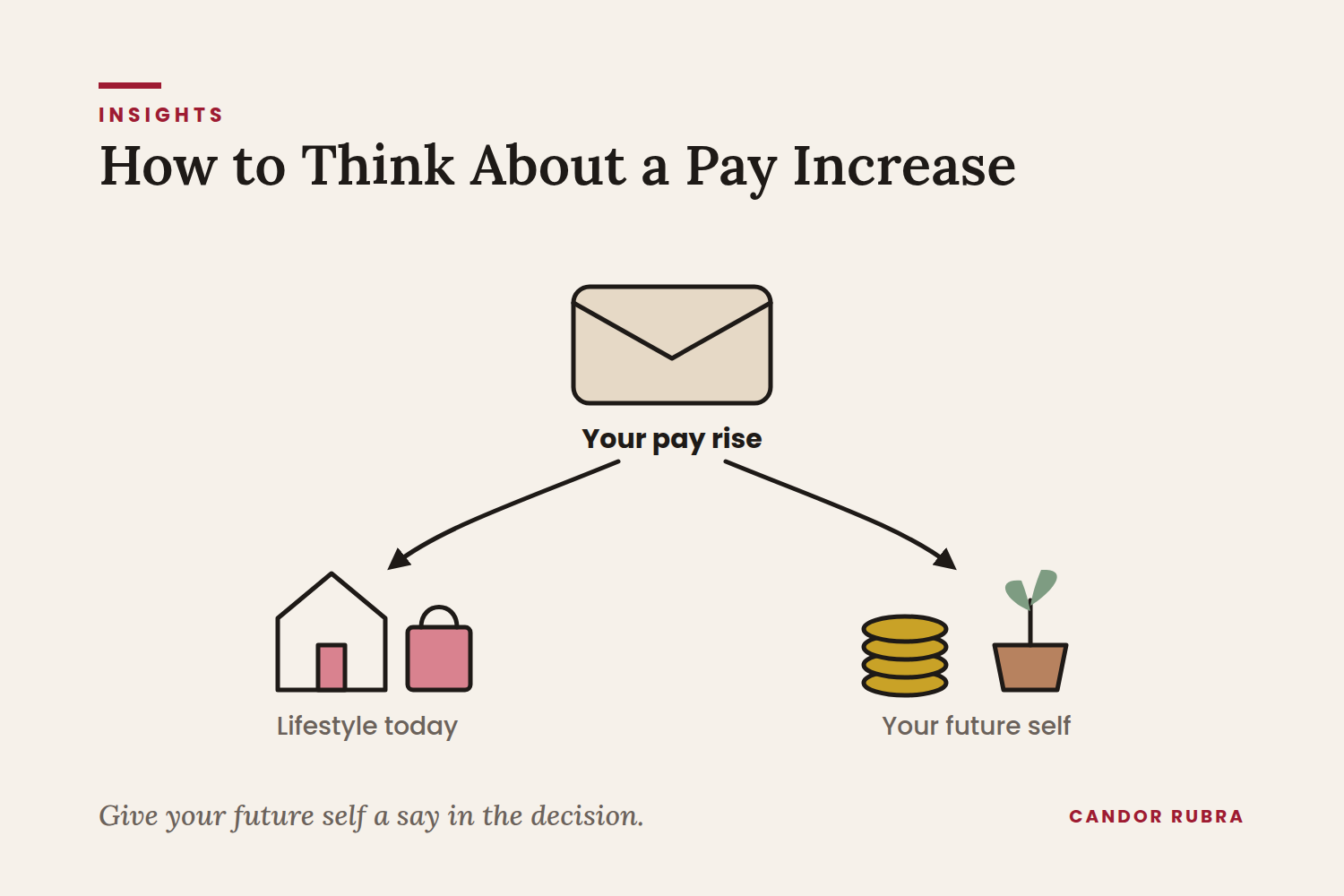
As life changes, so can the right level of saving. A pay rise, for example, can be a natural point to review. Revisiting the numbers regularly helps keep them in step with your circumstances.
Professional advice can help work out an appropriate level based on your own situation and goals, rather than on a rule of thumb or a feeling alone.
Important information
This article is for information purposes only and does not constitute financial advice, which should be based on your individual circumstances. The information provided is subject to the UK regulatory regime and is therefore primarily targeted at consumers based in the UK.
The value of investments and any income from them can fall as well as rise. You may not get back the full amount invested.