Asking Better Questions: The Secret to Genuine Financial Clarity

The journey to financial independence is rarely a straight line. With an endless stream of financial media, complex economic headwinds, and well-meaning City gossip, deciding exactly how to structure your wealth can quickly feel overwhelming.
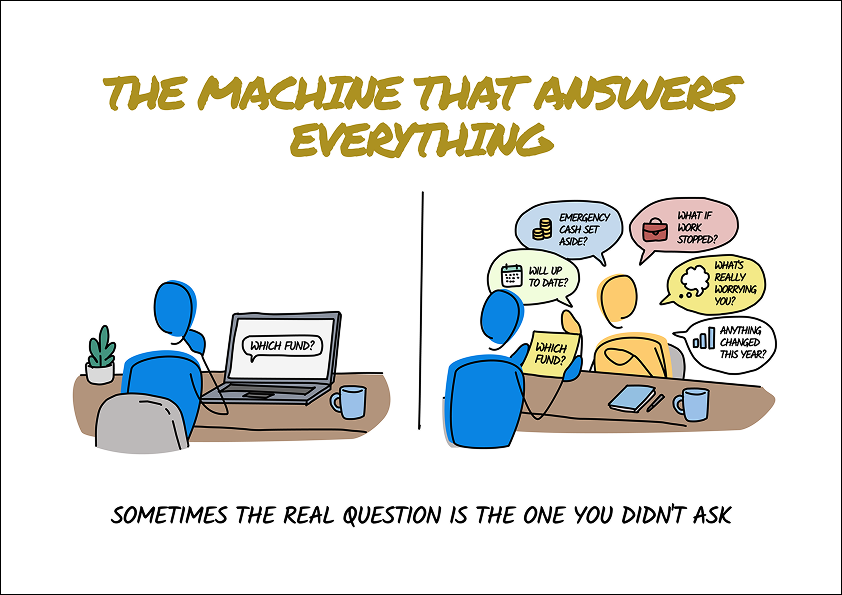
When investors face this confusion, they naturally turn to a wealth manager for answers. However, after two decades in the financial sector, I have learned that overcoming this anxiety rarely relies on finding better answers.
It relies on asking entirely different questions.
The Tactical Trap: Asking the Wrong Questions
When successful professionals attempt to manage their own portfolios, they almost instinctively ask tactical, short-term questions. They are heavily influenced by Sunday newspaper supplements and the inescapable human fear of missing out.
Typically, the questions look like this:
Where is the stock market heading over the next six months?
How can I maximise my returns before the end of the tax year?
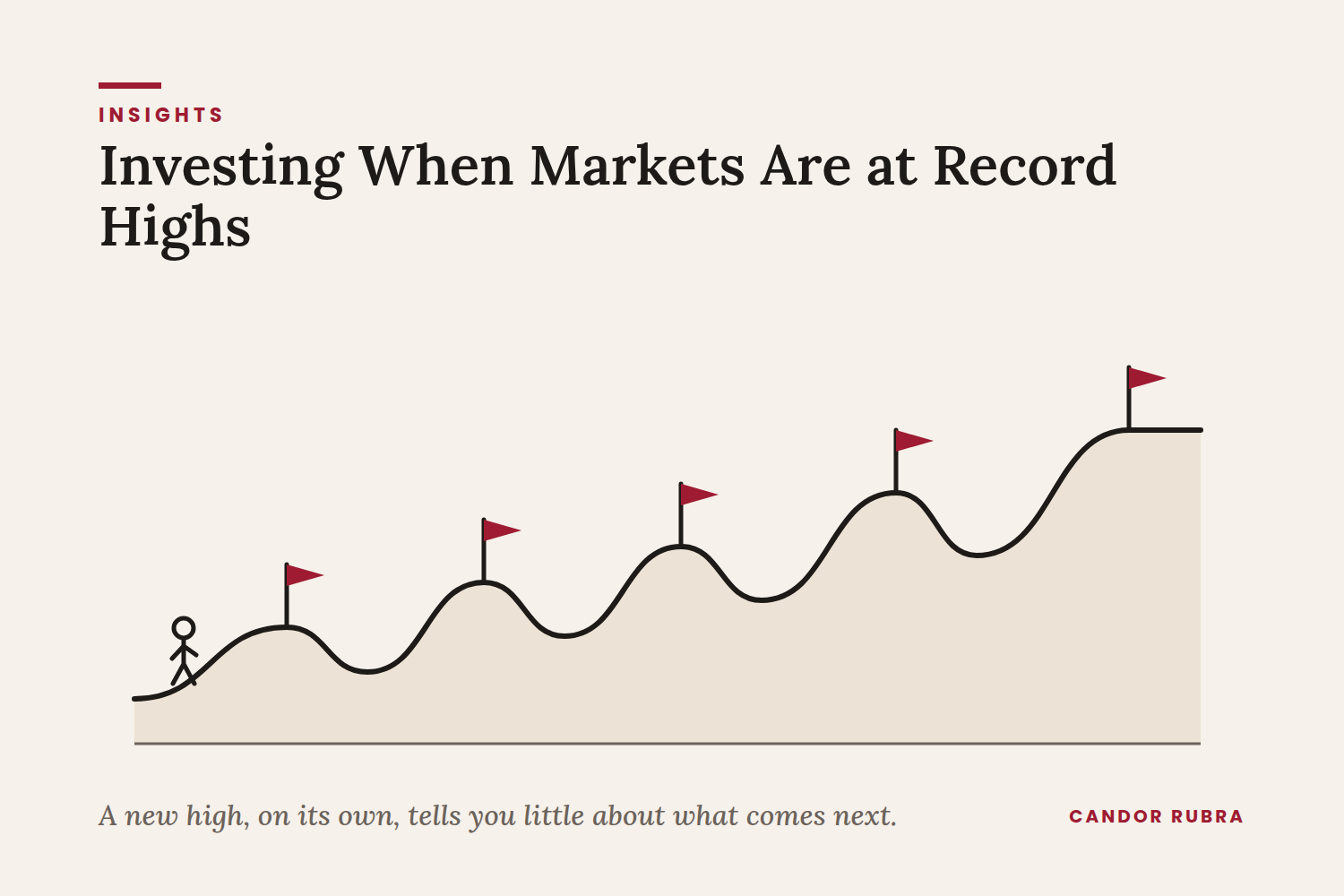
Is now the right time to buy into this specific tech trend?
Should I pull my money into cash until the dust settles?
If I can offer a moment of absolute candour: these are the wrong questions. Focusing on these short-term metrics triggers common behavioural biases, leading to myopic, highly emotional decision-making. Attempting to constantly time the market or chase the latest trend actively undermines your long-term financial stability.
When you ask short-term questions, you get short-term anxiety.
The Strategic Shift: Asking Better Questions
When it is your own hard-earned money on the line, it is incredibly difficult to remain objective. This is the true, underappreciated value of working with an independent financial adviser. We do not just manage the assets; we act as a disciplined thinking partner, pulling you out of the tactical weeds and forcing you to look at the strategic horizon.
When clients sit down with us, we pivot the conversation away from the daily noise and toward the questions that actually dictate their financial success:
What is my ultimate definition of financial independence, and does this specific investment move me closer to it?
How does this decision impact my broader wealth management strategy and my estate planning?
Do I have the emotional resilience to hold this asset through a severe, temporary market downturn without panicking?
How will this level of risk affect the people who are financially dependent on me?
The Value of an External Perspective
Compiling a framework of high-quality, strategic questions is an invaluable tool for navigating the modern investment landscape.
When you shift your focus from "what is the market doing today?" to "what does my family need in twenty years?", the practical, day-to-day investment decisions suddenly become obvious. You stop guessing, and you start planning.
As you approach your next major financial crossroad—whether it is consolidating your pensions, restructuring your property finance, or mapping out your retirement—take a step back. Before you rush to find the answer, make sure you are asking the right question.